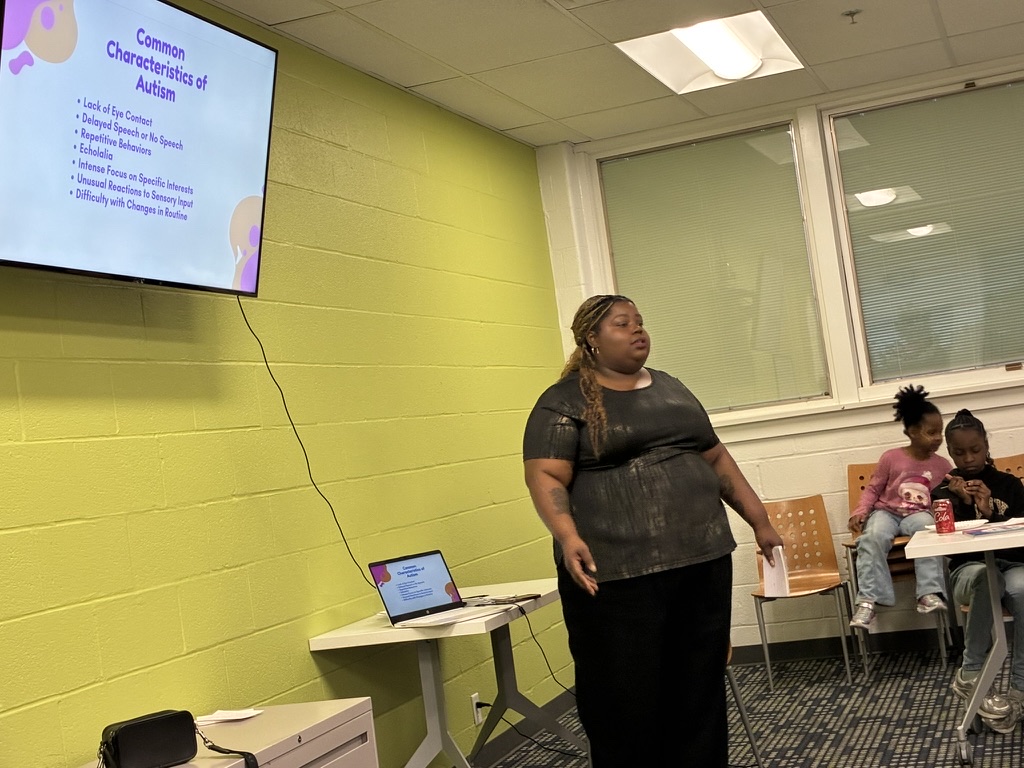
Disability awareness training for staff teaches the people on your team to recognize disability, communicate with respect, stay calm when someone is in crisis, and know what the law expects of them. The best training is short, practical and built around the moments your staff already face: the student who bolts from the classroom, the client who stops answering questions at the front desk, the employee who asks for a change to their schedule. If you lead a school, an agency or a workplace, here is what strong training covers, how much time it really takes, and how to bring it to your team this season.
Why Every Team Needs This Now
Start with the numbers. The Centers for Disease Control and Prevention reports that about 1 in 31 children aged 8 has been identified with autism, based on its most recent national surveillance year, 2022. The CDC also reports that more than 1 in 4 U.S. adults have some type of disability.
Sit with that for a minute. Disability is already in every classroom, every waiting room, every staff meeting and every customer line you run. It is in the parent picking up a child at dismissal. It is in the veteran filling out a housing form. It is in the new hire who is quietly working twice as hard to look like everyone else.
Your people are meeting disability every single day. The only question is whether they meet it prepared.
What Disability Awareness Training for Staff Should Cover
A good session leaves your team with skills they can use the same afternoon. Look for training that covers these six areas:
- Invisible disability. Many disabilities cannot be seen. Autism, epilepsy, anxiety, chronic pain and learning disabilities often show up as behavior that gets misread as rudeness or defiance.
- Communication that lands. Plain language. One question at a time. Extra time to answer. Respect for people who communicate with a device, a tablet, writing or gestures.
- The sensory environment. Buzzing lights, loud intercoms, crowded hallways and strong smells can push a person into overload before anyone says a word.
- Calm crisis response. What to do in the first five minutes when someone is overwhelmed, shutting down or trying to leave, and what to stop doing because it makes things worse.
- The legal floor. Staff should know the basics. Under the Americans with Disabilities Act, an employer with 15 or more employees is required to provide reasonable accommodation for individuals with disabilities.
- Where to send people next. A trained team knows the handoff: who to call, which resource fits, and how to connect a family without making them repeat their story five times.
What It Looks Like in Your Building
For Schools
Teachers get training. Too often the bus driver, the cafeteria monitor, the front office and the substitute do not. Yet those are the people standing closest to a child when the day falls apart. Whole-building training gives every adult the same plan, so a student meets the same calm response in the lunchroom that they meet in the special education classroom.
For Agencies and Nonprofits
Housing offices, shelters, libraries, health departments and human services counters see people on their hardest days. A parent in crisis may be holding a child in meltdown while trying to answer intake questions. Staff who understand disability move faster, ask better questions and lose fewer families between appointments.
For Employers
Many of your employees are disabled, and many more are caregivers going home to a disabled child or parent every night. Managers who know how to respond to an accommodation request with curiosity instead of suspicion keep good people. Here is the part most leaders do not expect: the Job Accommodation Network reports that 61% of employers it surveyed said the accommodation cost nothing, and for those with a one-time cost, the median was $300.
The Real Cost of Skipping It
The expensive part is the moment handled badly.
A raised voice at a child who cannot process it. A security call for a man who was simply overwhelmed. A manager who treats a request as a complaint. Each of those moments costs trust. Some cost families. Some cost staff. Some become formal complaints that take months to unwind.
Training is how you get ahead of that moment.
Why a Lunch Hour Is Enough to Start
Your staff is stretched. Pulling everyone out for a full day is hard to schedule and harder to justify before you know what your team needs. A focused 60 to 90 minute session gives everyone a shared language, real scenarios from your sector and a clear picture of where deeper training would help most.
I am raising autistic children, and I built SAFE HUB because families like mine kept meeting kind people who simply did not know what to do. Kindness is the starting point. Preparation is what carries a family through the door.
What Your Team Gets in a SAFE HUB Lunch-and-Learn
The SAFE HUB™ Lunch-and-Learn from SAFE HUB™ Academy at The Alani Jacob Foundation introduces your team to disability-centered crisis response in the space of a working lunch. It includes:
- A 60 to 90 minute live session, on-site or virtual
- An introduction to the SAFE HUB™ framework
- Real scenarios from your sector, whether that is a school, an agency or a workplace
- Q&A and a next-steps roadmap for your organization
- A digital resource pack for every attendee
The investment is $2,500 per session. That is one line in a professional development budget, and it reaches every person in the room at once.
Book Your Team’s Session
Go to alanijacobfoundation.org/enroll, choose Lunch-and-Learn for Your Staff, and share your team size and preferred dates. The form takes about two minutes, and The Alani Jacob Foundation confirms within two business days with a written proposal.
Your people are already the first face a disabled child, client or coworker sees. Give them the words, the calm and the plan.
SAFE HUB™ Academy is the professional learning division of The Alani Jacob Foundation, a public name of Crystal Life Ministries, a 501(c)(3) nonprofit. Questions: impact@crystal-life-ministries.com or 888-652-6523.